Convenience Store Layout | Shelving for Merchandising and Footpath Planning
Convenience stores feature limited in-store space and a wide variety of goods. Snacks, beverages, daily chemicals, small daily necessities and other products need to be arranged in an orderly manner. Poor store space planning and cluttered stockpiling of goods will narrow walkways and disrupt customers’ shopping experience. Developed for small-format retail outlets, convenience store shelves adopt a modular assembly structure for merchandise display. They also assist stores in planning internal customer flow paths and have been implemented in community convenience stores, chain outlets, campus shops and other projects.
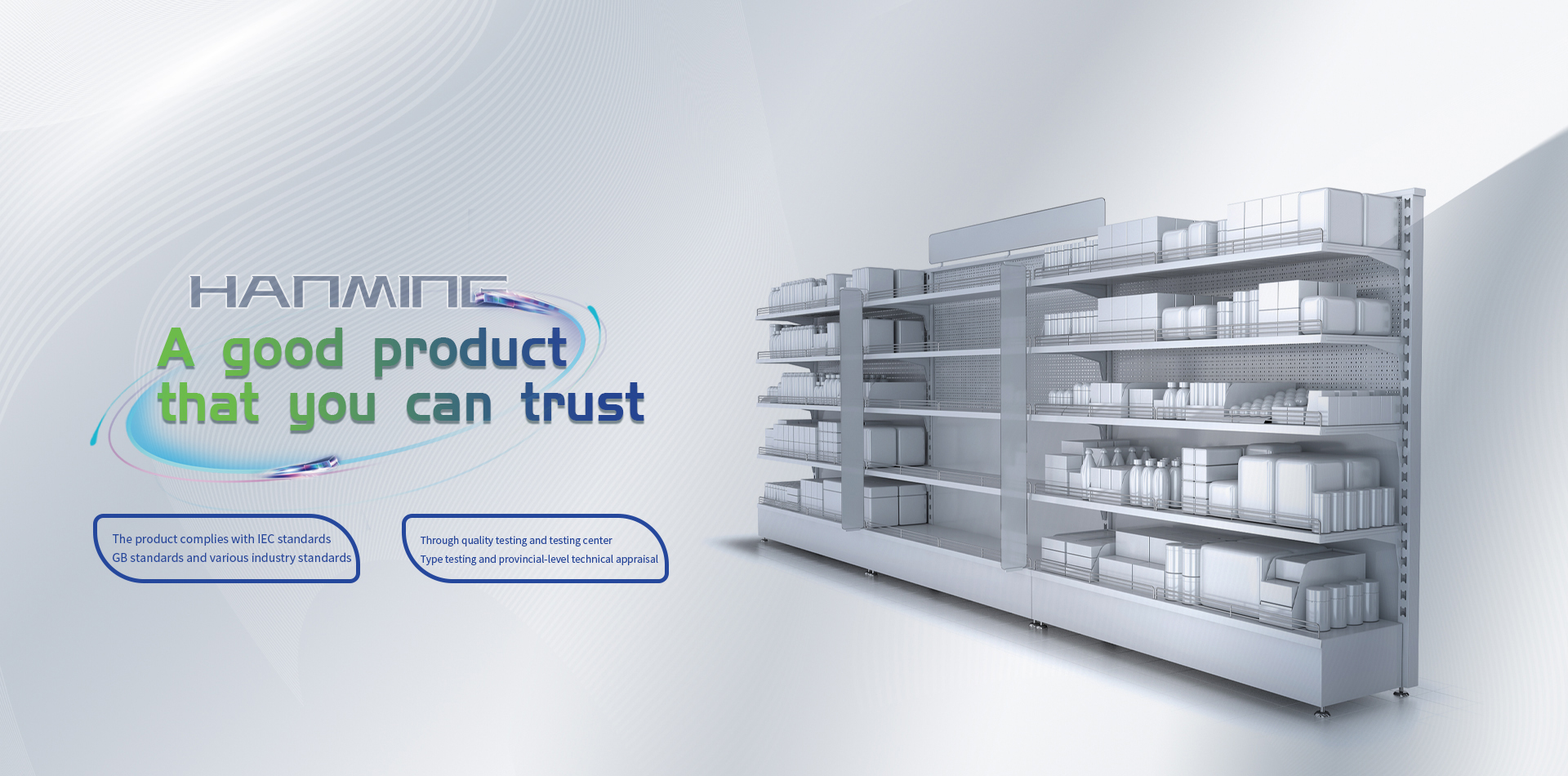
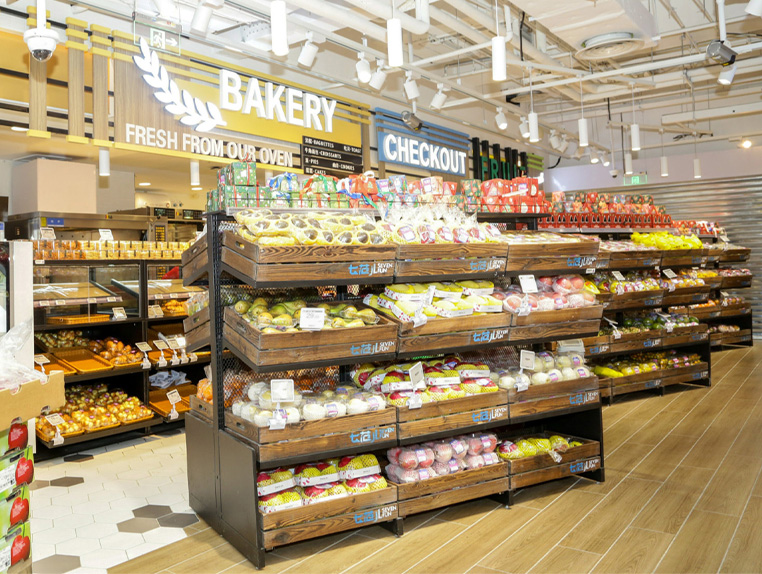
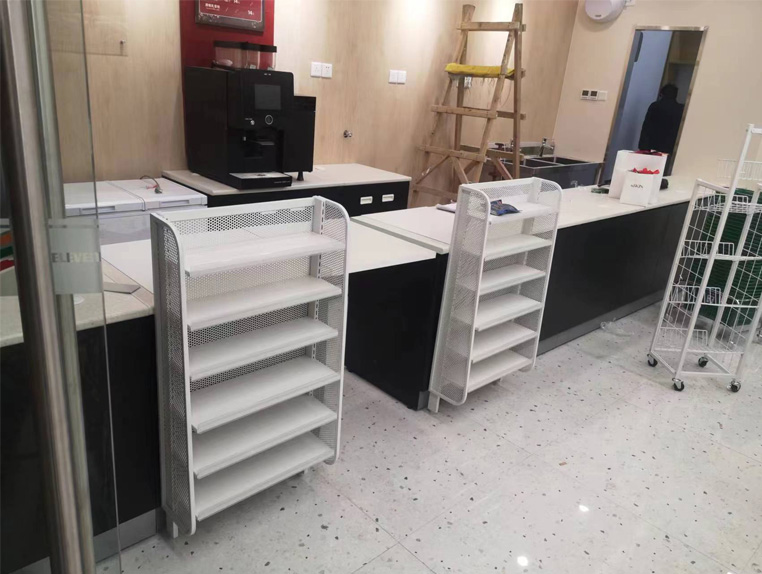
The main body of convenience store shelves is made of cold-rolled steel. Assembled with upright posts and shelf boards, the whole structure can bear the load of multi-layer goods and is resistant to deformation under long-term stock placement. The height of shelf boards is adjustable; the spacing between layers can be modified according to package sizes to accommodate the display of goods of various specifications such as bottled drinks, packaged snacks and boxed daily necessities. The shelf corners are treated with rounded edges to reduce the risk of bumps and injuries for walking customers, making them suitable for high-foot-traffic store environments. The complete shelf system includes single-sided wall-mounted units, double-sided island units and end-cap promotional racks. Multiple units can be freely spliced and combined to fit store spaces with different layouts.
In store traffic flow planning, double-sided island shelves are placed in the central area of the shop to separate main and secondary aisles, guiding customers to browse goods along preset routes and reducing dead zones in the store space. Promotional display zones can be set at shelf end caps to place new arrivals and seasonal goods, showcasing products at high-traffic positions. Single-sided wall-mounted shelves are arranged along store walls to fully utilize vertical wall space for storing larger and heavier goods without occupying aisle space and maintaining unobstructed walkways inside the store.
During merchandise display, the layered structure of shelves enables zoning placement of goods. Products of the same category are placed in one area for easier customer searching. Back panels of shelves can be fitted with label cards to mark category information and divide zones such as snack area, beverage area and daily chemical area, maintaining consistent display order. During store operation, product mix changes with seasons. Modular shelves can be disassembled and reconfigured to adjust the in-store layout and adapt to display changes brought by product updates, lowering store renovation investment.
For chain convenience store projects, shelves of unified specifications enable standardized layout across multiple stores and consistent display style at all outlets. During new store renovation, shelf components are delivered in batches and assembled on-site, featuring a short construction cycle for quick store commissioning. For renovation of older stores, original shelves can be directly replaced or combined with new units to adjust existing customer flow and optimize the utilization of store space.
Beyond standard convenience stores, this type of shelf can also be applied to small community retail shops, retail sections within parcel stations and other business formats. Supporting accessories include divider baffles and price tag strips, which can be installed on demand to separate small goods and hold price labels. A protective coating is sprayed on the shelf surface to mitigate corrosion caused by ambient moisture. When used long-term in normal store environments, the coating is not prone to peeling. The quantity of shelf units can be customized according to store area, meeting layout requirements for small shops of dozens of square meters up to community stores of 100 square meters.
With modular and assembleable structural features, convenience store shelves satisfy both merchandise display functions and store traffic flow planning requirements. They provide display supporting equipment for offline retail stores and support space construction and daily goods operation of convenience store outlets.
 WeChat:




 home
home
 WeChat
 telephone